# Protect Your Business: Cybersecurity Essentials Every Small Business Owner Should Know
In today’s digital age, small businesses are increasingly reliant on technology. While this opens up numerous opportunities, it also exposes them to various cybersecurity threats. As a solopreneur, you might think that cybercriminals only target large corporations. However, small businesses are often seen as easy targets due to their lack of robust security measures. This article will guide you through essential cybersecurity practices to protect your business, even if you’re not tech-savvy.
## Why Cybersecurity Is Important for Small Businesses
Before diving into the practical steps, it’s crucial to understand why cybersecurity is vital. A cyber attack can lead to financial losses, damage to your reputation, and even legal issues. By implementing basic cybersecurity measures, you can significantly reduce these risks and ensure your business’s longevity.
## Password Management
Passwords are your first line of defense against unauthorized access. However, managing them can be daunting, especially when you have multiple accounts. Here’s how you can streamline password management:
### Use a Password Manager
A password manager is a tool that helps you create, store, and manage your passwords securely. Two popular options are **Bitwarden** and **1Password**.
– **Bitwarden**: This is a free, open-source password manager that offers robust security features. It allows you to store an unlimited number of passwords and access them from any device.
– **1Password**: Known for its user-friendly interface, 1Password offers additional features like secure notes and a password generator. It requires a subscription but provides excellent value for its comprehensive security features.
### Tips for Password Management
– **Create Strong Passwords**: Use a mix of letters, numbers, and symbols. Avoid using easily guessable information like birthdays or common words.
– **Unique Passwords for Each Account**: Never reuse passwords. If one account is compromised, others will remain secure.
– **Regularly Update Passwords**: Change your passwords every few months to enhance security.
## Two-Factor Authentication (2FA)
Two-Factor Authentication adds an extra layer of security by requiring a second form of verification in addition to your password. Here’s how to set it up:
### Setting Up 2FA
1. **Choose Your 2FA Method**: Common methods include SMS codes, authenticator apps (like Google Authenticator), or hardware tokens.
2. **Enable 2FA on Your Accounts**: Go to the security settings of your accounts and follow the instructions to enable 2FA. Each platform will have a slightly different process.
3. **Store Backup Codes**: When setting up 2FA, you’ll often receive backup codes. Store these securely in case you lose access to your primary 2FA method.
### Benefits of 2FA
– **Enhanced Security**: Even if your password is compromised, 2FA provides an additional barrier against unauthorized access.
– **Peace of Mind**: Knowing that your accounts have an extra layer of protection can reduce anxiety about potential breaches.
## Email Security
Emails are a common entry point for cyber attacks. Protecting your email accounts is crucial for safeguarding your business.
### Implementing Email Security
– **Use a Secure Email Provider**: Choose providers that offer strong security features, such as Gmail or ProtonMail.
– **Beware of Phishing**: Be cautious of emails asking for sensitive information. Verify the sender’s email address and look for signs of phishing, such as poor grammar or urgent requests.
– **Regularly Update Email Passwords**: Use your password manager to ensure your email passwords are strong and changed regularly.
### Additional Tips
– **Enable Spam Filters**: Most email providers have built-in spam filters. Ensure these are enabled to reduce the risk of phishing emails reaching your inbox.
– **Be Cautious with Attachments**: Only open attachments from trusted sources, as they can contain malware.
## VPN for Remote Work
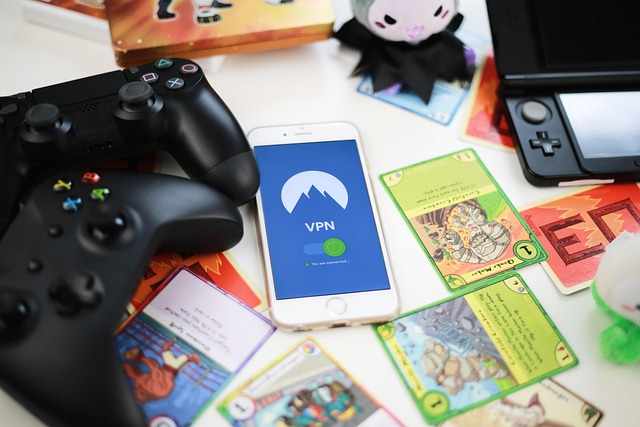
A Virtual Private Network (VPN) encrypts your internet connection, providing a secure link between your device and the internet. This is particularly important if you work remotely or use public Wi-Fi networks.
### Setting Up a VPN
1. **Choose a Reputable VPN Provider**: Look for providers with strong encryption standards and a no-logs policy. Examples include NordVPN and ExpressVPN.
2. **Install the VPN Software**: Follow the provider’s instructions to install the VPN on your devices.
3. **Connect to the VPN**: Once installed, open the VPN application and connect to a server. This will encrypt your internet connection.
### Benefits of Using a VPN
– **Secure Internet Browsing**: Protects your data from hackers, especially on public Wi-Fi networks.
– **Access to Geo-Restricted Content**: Allows you to access content that may be restricted in your location.
## Data Backup Strategy
Data loss can occur due to cyber attacks, hardware failures, or accidental deletions. A robust backup strategy ensures you can recover your data in such events.
### Creating a Backup Strategy
1. **Identify Critical Data**: Determine which files and systems are crucial for your business operations.
2. **Choose a Backup Method**: Options include cloud storage (like Google Drive or Dropbox) and external hard drives.
3. **Schedule Regular Backups**: Set up automatic backups to ensure your data is consistently backed up without manual intervention.
### Best Practices for Data Backup
– **Use Redundant Backups**: Store data in multiple locations, such as both the cloud and an external hard drive.
– **Test Your Backups**: Regularly test your backups to ensure they can be restored successfully.
## What to Do If You Get Hacked
Despite your best efforts, breaches can still occur. Knowing how to respond is crucial for minimizing damage.
### Steps to Take After a Breach
1. **Identify the Breach**: Determine what information or systems have been compromised.
2. **Change Your Passwords**: Immediately change passwords for affected accounts and enable 2FA if not already in place.
3. **Notify Affected Parties**: Inform clients or partners if their data has been compromised.
4. **Seek Professional Help**: Consider hiring a cybersecurity expert to assess the breach and implement stronger security measures.
5. **Review and Update Security Policies**: Use the breach as a learning opportunity to strengthen your cybersecurity practices.
## Security Checklist for Solopreneurs
Here’s a handy checklist to ensure your business is protected:
– [ ] Use a password manager to create and store strong, unique passwords.
– [ ] Enable Two-Factor Authentication on all accounts.
– [ ] Choose a secure email provider and enable spam filters.
– [ ] Be vigilant about phishing attempts and suspicious emails.
– [ ] Set up a reputable VPN for secure internet browsing.
– [ ] Implement a regular data backup strategy using cloud storage and/or external drives.
– [ ] Regularly update software and systems to patch security vulnerabilities.
– [ ] Educate yourself about the latest cybersecurity threats and trends.
– [ ] Have a response plan in place in case of a cyber attack.
## Conclusion
Cybersecurity might seem overwhelming, especially for solopreneurs who aren’t tech-savvy. However, by implementing these straightforward strategies, you can protect your business from potential threats. Remember, cybersecurity is an ongoing process, and staying informed is key to safeguarding your business in the digital world.